- Call on :+244939714044
- Open Hours : Mon-Fri 09:30 - 16:00


Tourism
- Home
- Departments
- Tourism
About Zambia
Home of the Victoria Falls, Zambia offers a truly authentic African holiday experience, where the only thing that gets spoiled is you. The depth of her cultures, the drama of her landscapes and wildlife plus the delightful and peaceful people – all of this is closer than you think.
The country lies in the heart of Southern Africa, 10 to 18 degrees south of the equator and is bordered by eight countries.
Zambia is a land of fantastic and the unexpected, the more you explore this naturally beautiful country the more you realise how much this unexploited African country has to offer.
Venture into the wilderness, you will find a landscape with captivating reminders of the past such as ancient rock art, burial sites and small villages of thatched roof huts that have been in the same area since the iron age.
With a total human population of 20 million (2022 estimates), Zambia is sparsely populated with more than 70 ethnic groups, many of them Bantu-speaking. Zambia’s ethnic diversity results in rich and colourful cultures, each upheld and celebrated uniquely in remembrance of their ancestral age.
Wildlife Safaris
Zambia’s wildlife protected areas, covering about 30% of the total land area, remain unexploited, 100% natural – no artificial ingredients which means visitors enjoy the wilderness just as the flora and fauna do. Zambia’s professional safari guides have won accolades for exceptional guiding which is purely driven by passion for the wild.
Walking safaris were born in Zambia, pioneered by the legendary Norman Carr and today the country offers Africa’s best on-foot wildlife experience which has brought safari travellers to Zambia ‘up close with nature’.
The country’s immense wilderness embraces 20 national parks and 34 Game Management Areas. The wilderness areas are pristine and the country offers its guests views of the African bush that have not changed for centuries.
Zambia offers a wide range of safaris either in open vehicles, on foot, by boat or canoe. Walking safaris enable intense close-up encounters with wildlife. The diversity of bird species is among the highest in the world with over 700 species recorded to date.
Reasons to Safari in Zambia
- Small safari outfitters ensure a personalised experience
- Long training and rigorous safari guiding exams translating into knowledgeable and award-winning guides;
- Tailor made safaris for children for that beautiful family travel experience; and
- National parks allow open-vehicle night drives, walking and canoeing;
National Parks
These parks showcase Zambia’s rich biodiversity and commitment to conservation.
South Luangwa
Lower Zambezi
Mosi oa Tunya
Kafue
Lochnivar
Liuwa
South Luangwa
Covering a vast area measuring 9,050 square kilometres, the park has huge concentrations of wildlife. The Luangwa River meanders through the park providing life to the various flora and fauna in the area. In the dry season, the water areas are definite places for spotting wildlife.
The Luangwa valley is home to elephants, giraffe, hippos, lions, cheetah, buffalo and large number of antelope such as puku, kudu, bushbuck, impala and waterbuck and other large species. The Thornicroft’s giraffe and Cookson’s wildebeest are both unique to the Luangwa valley. Ornithologists will have a great time here. There are over 400 bird species recorded in the Luangwa.
Lower Zambezi
The Lower Zambezi national park is about 4,092 square kilometres and lies along the northern bank of the Zambezi River. These waters are a focal point for the abundant wildlife in the area which includes elephant, hippo, zebra, lion, leopard, baboon, vervet monkey, antelopes, crocodiles and a great variety of birds.
Canoe safaris have become a popular way of exploring the Lower Zambezi, this is in addition to game drives in open 4×4 vehicles and walking safaris.
Mosi oa Tunya
The park was created to protect not only the wildlife but also one of the Seven Natural Wonders of the World – the Victoria Falls. The Mosi oa Tunya national park is the smallest Park in Zambia covering an area of 66 km2. It is situated in Livingstone and was declared a National Park in 1972.
Wildlife in the park includes rhino, elephant, buffalo, zebra, giraffe, impala, baboon just to mention a few.
Kafue
The Kafue National Park is Africa’s biggest game sanctuary covering 22,500 square kilometres. The Kafue River and its tributaries contribute to the diversity of the landscapes making it an interesting park.
The northern section of the park is dominated by a vast floodplain which attracts a variety of animals and birds all year round. This is one of Kafue’s richest wildlife areas attracting a diverse range of antelope including the red lechwe and in deep swamps the sitatunga, its wide-splayed hooves enabling it to walk floating mats of reeds.
This profusion of game attracts the big cats, notably lion and cheetah including the normally elusive leopard are sighted regularly. Bird life is richly abundant. The lust strip of riverine vegetation on the banks of the Kafue River is home to crocodile, monitor lizards, hippo and bushbuck.
Lochnivar
Lying to the south side of the Kafue Flats in Zambia’s south, Lochnivar national park is divided into three district zones, the northern floodplain, the central grassland and the southern woodland.
On the flood plain, lechwe graze in their thousands. There are more than 30,000 of these antelope in Lochnivar. The central grassland is grazed buffalo, zebra, wildebeest and oribi while the woodlands to the south are inhabited by kudu, bushbuck, baboon and bush pig.
Despite its comparatively small size – covering just 410 square kilometres – Lochinvar is one of Africa’s finest bird sanctuaries sheltering over 420 species.
Liuwa
The remote Liuwa National Park lies along the Zambezi flood plain in western Zambia and covers an area of 3,600 square kilometres of remote, wildlife-rich wilderness. Africa’s second largest mesmerising wildebeest migration takes place here annually.
The November rains transform its flat grasslands into lush grazing that draws a huge gathering of herbivores, including zebra, tsessebe and up to 30,000 blue wildebeest. Visitors to the park witness this spectacular phenomenon, particularly because getting to Liuwa remains a serious expedition.
South Luangwa National Park
Lower Zambezi National Park
Mosi oa Tunya National Park
Kafue National Park
Lochnivar National Park
Liuwa National Park
Waterfalls
Zambia possesses the largest water resources in the whole of Southern Africa. This is because the country has a wide assortment of rivers both big and small, all across the country.
Victoria
Lumangwe
Kalambo
Ntumbachushi
Chishimba
Ngonye
Kundalila
Chipoma
Mumbuluma
Victoria
The
Victoria Falls is the biggest and most renowned waterfalls in Zambia. At almost
2 kilometres wide and 103 metres deep, the Victoria Falls is one of the Seven
Natural Wonders of the World and it is a World Heritage site. The Falls hail
from the Zambezi River and located in the southern part of the country in
Livingstone, the country’s tourist capital.
The
Victoria Falls, named by Scottish missionary and explorer Dr David Livingstone
in 1855 after Queen Victoria of Britain offer stunning views to visitors.
During their peak that is after the rain season, the waterfalls drop 550,000
cubic metres of water per second.
Activities around the falls include bunji
jumping 110 metres off the Victoria Falls bridge, micro-lighting and helicopter
flights above the falls, boat cruises, abseiling, canoeing and river safaris,
white-water rafting just to mention a few.
Lumangwe
Located on Kalungwishi River, the Lumangwe Falls are look-alike of the Victoria Falls, in a mini version. Luma means ‘heating motion ’while ngwe denotes a combination of intensity, force and substance. The Falls are said to be the home of the great snake spirit called Lumangwe. In the olden days, this snake was said to have stretched itself between the Lumangwe and Kabwelume Falls – a distance of about 5 kilometres. The Falls are accessible from Kasama in the north of the country.
Kalambo
Kalambo Falls is said to be Africa’s second highest free-leaping or single-drop waterfall (second to one of the tiers of Tugela Falls in South Africa) at 221m.
The waterfall is in high flow in May/June. But this depends on how much rainfall the region gets during its rainy season from January through April.
Ntumbachushi
These Falls are located on Ngosa River in Kawambwa District. Over time, the Falls have attained an important bearing on the Lunda and Chishinga people of Luapula Province. They are a powerful shrine for both tribes. History reveals that Mwata Kazembe Chinyanta Munona VI of the Lunda people fell in love with his brother’s wife and married her. As compensation for the beautiful woman, he gave his brother the land around the falls and beyond and this became the boundary of the Lunda people.
The Falls can be easily accessed from Nchelenge and Mansa in Luapula Province.
Chishimba
The Bemba people in the north regard the Chishimba Falls as on the most sacred places of power. The natural spirit, Chishimba, is believed to reside in the cave below the Falls, which is a place of prayer and honour. No insults, curses, words of vengeance or hatred may be uttered in the vicinity of the caves.
Ngonye
In the west, near the Village of Sioma on the Zambezi River, lie the Ngonye Falls. Although not very high, the volume of water thundering over the rocks is second only to the Victoria Falls. The falls can be seen from Sioma but if you cross the river 2 km downstream in a dugout canoe, and take a path back upstream, the full magnitude can be seen. They are 12 metres high but spread around a broad crescent. In the winter dry season, they provide a pleasant picnic spot and in full flood, they become a broad, roaring, surging, thundering force.
Kundalila
Kundalila Falls is found in Central Province, in an area of spectacular scenic beauty. The Kaombe River flows 70 metres down, breaking into thin veil, nourishing a natural botanical garden that surrounds the Falls. The top of the Kundalila Falls offers one of the most spectacular views over the vast Luangwa Valley, while at the foot is a delightful natural pool of great scenic beauty famed for its wild flowers.
The name of the waterfall means ‘cooing dove’, one of the many bird sounds you will hear in this tranquil setting. Kundalila Falls can be found east of the Great North Road near Kanona.
Chipoma
The Chipoma Falls in January are at their maximum height and live up to their name, which in Bemba conveys the reverberating rush of falling water, that can be heard long before the Falls are in sight.
Mumbuluma
Mumbuluma Falls are found 33 kilometres from Mansa town, cascading in two steps on the Mumbuluma River. The worship temples for the protective spirits, Makumba and his sister Ngosa, are situated some distance south of the Mumbuluma Falls. The temple has a sacred fire which never goes out and is tended by the priests. According to history, Makumba and Ngosa fell from the sky.
Victoria Falls
Lumangwe Waterfalls
Kalambo Waterfalls
Ntumbachushi Waterfalls
Chishimba Waterfalls
Ngonye Waterfalls
Kundalilia Waterfalls
Chipoma Waterfalls
Mumbuluma Waterfalls
Adventure – thrills and Spills!
ad·ven·ture/adˈvenCHər/
Noun: An unusual and exciting experience or activity.
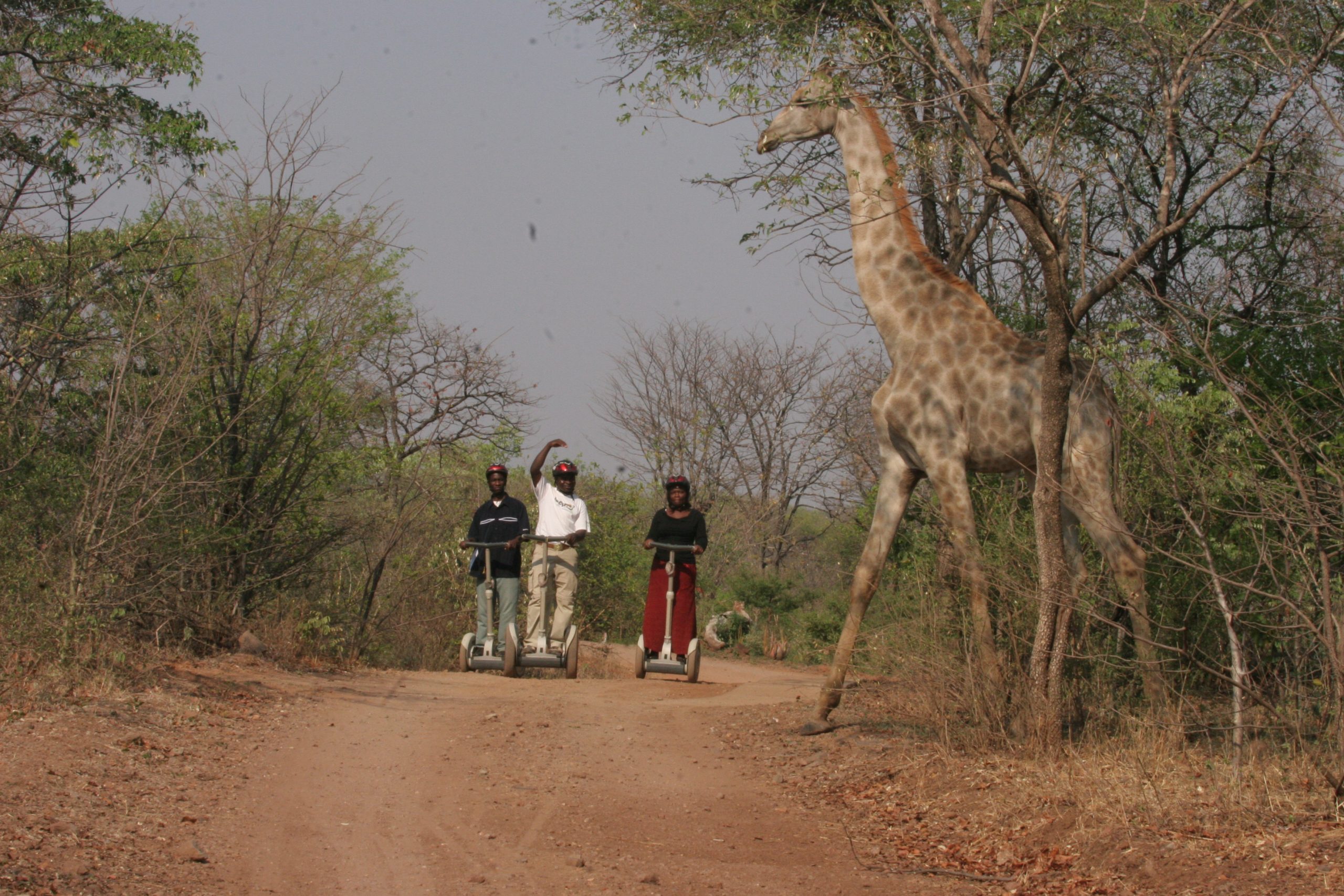
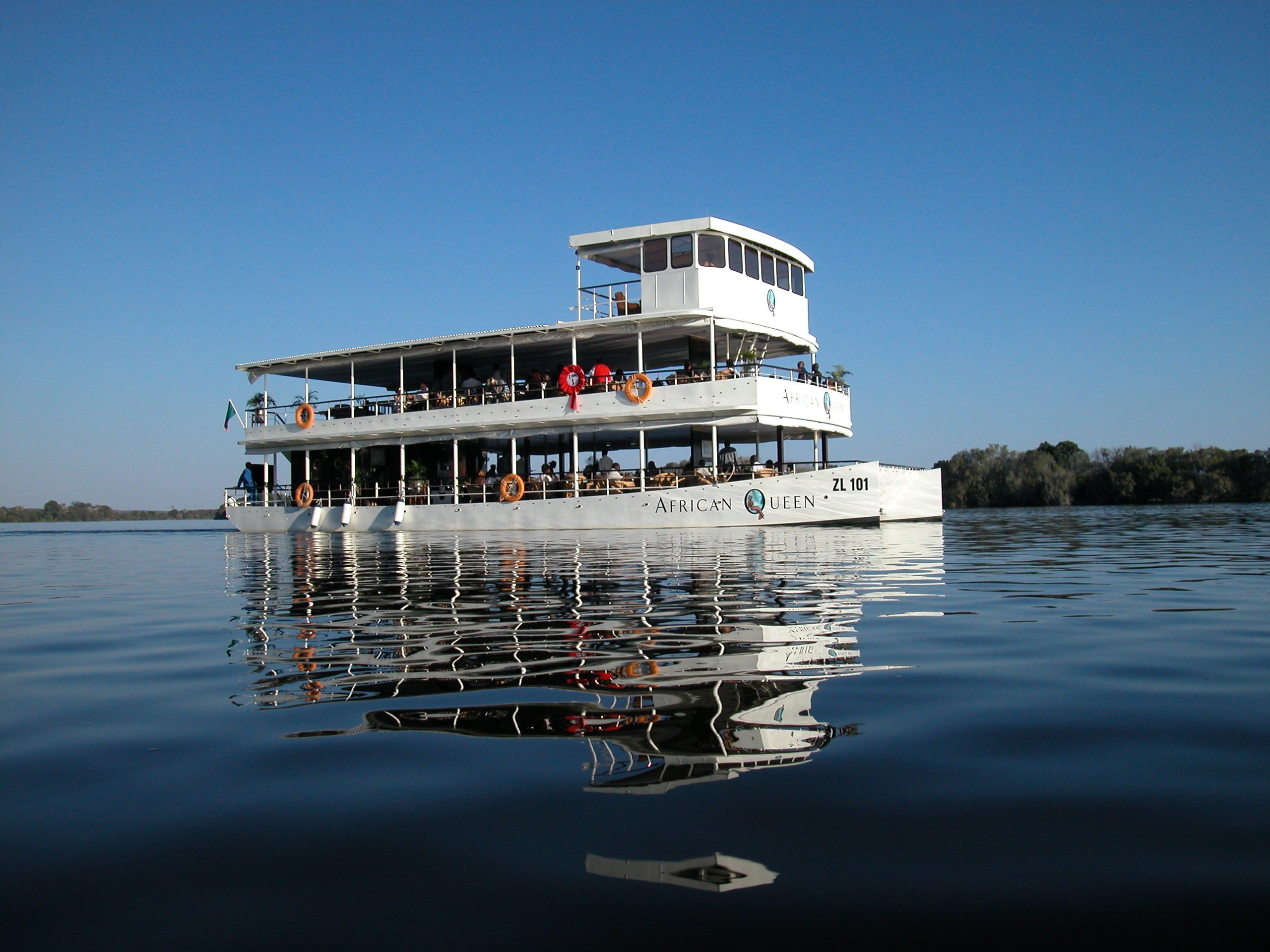
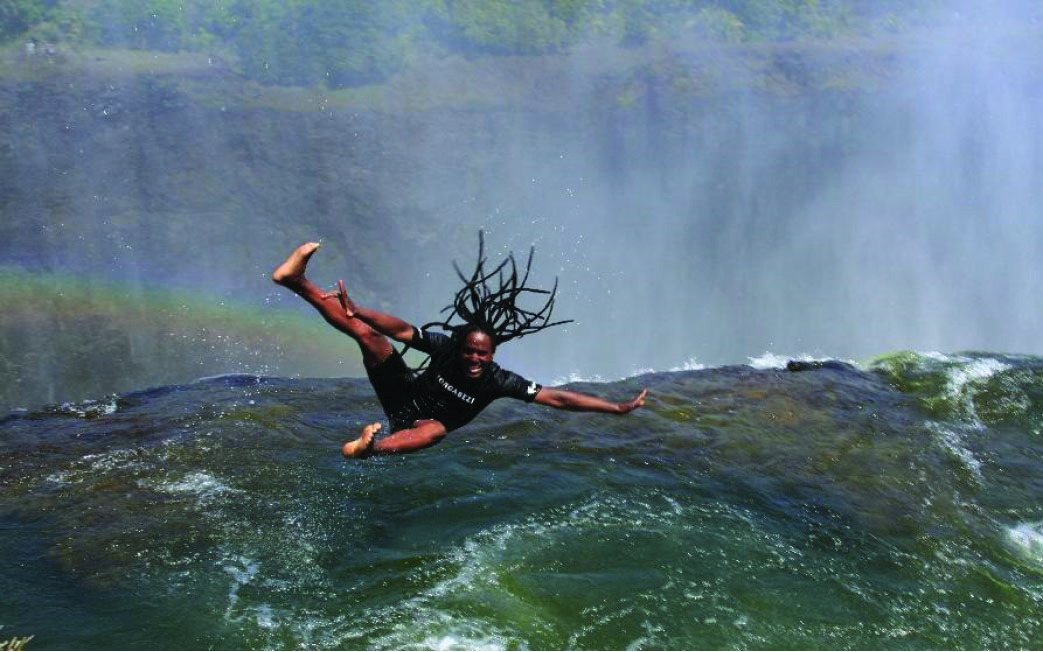
For those seeking adventure-packed activity holidays, Zambia is brimming with opportunities. There are several recreational pursuits to be enjoyed such as the following:
Abseiling, Gorge Swinging and High wiring: Boost your adrenalin levels by abseiling down the gorge, high wiring, gorge swinging and rap jumping with a safety harness and as much courage as can be mastered. Visitors can spend the whole day doing them all for maximum fun!
Canoe Safaris
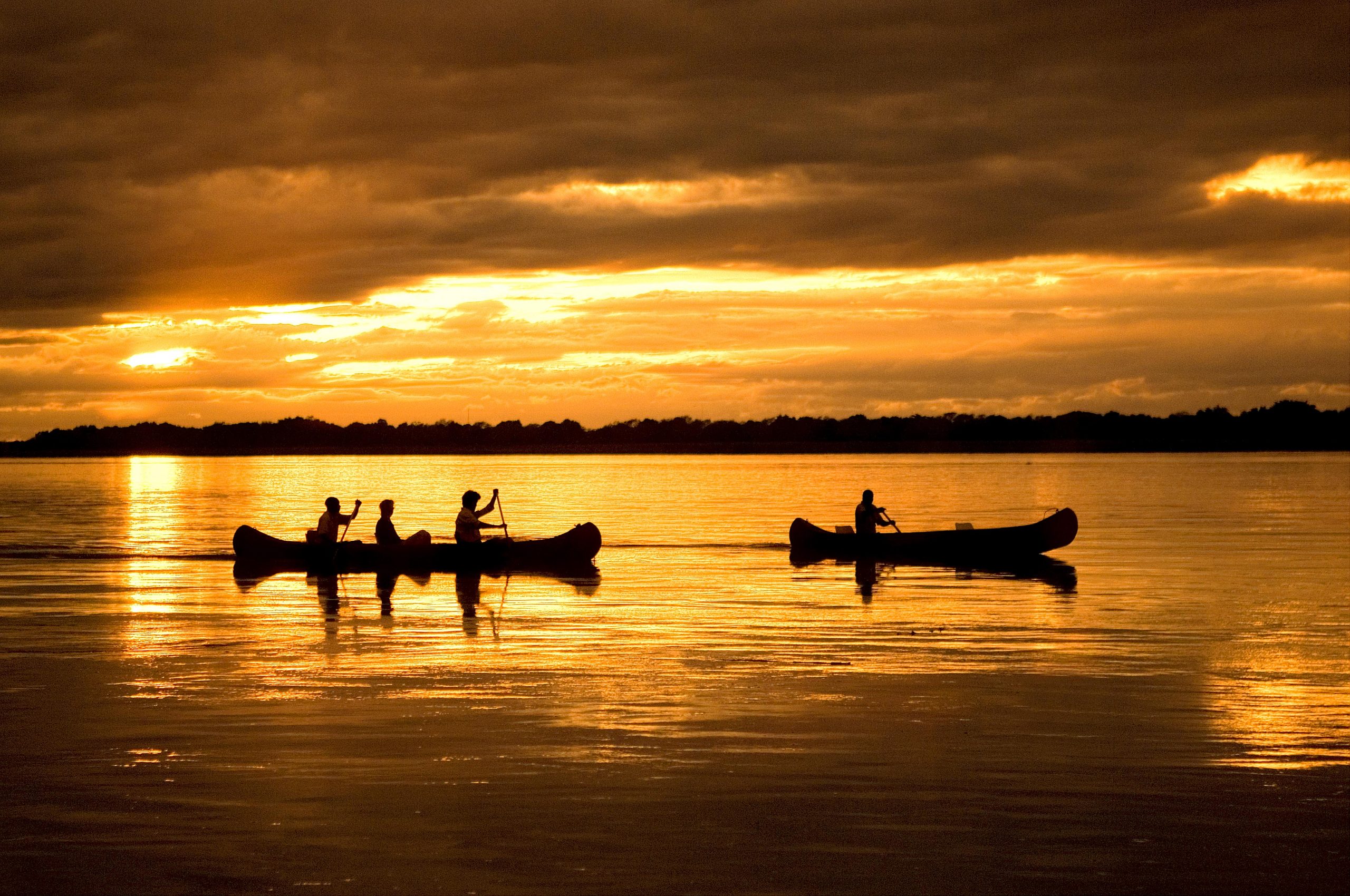
These offer a great alternative to land based safaris and no real boating skills or experience are necessary. Canoeing brings one closer to wildlife such as hippos, crocodiles and elephants.
Bungi Jumping: For a life changing rush, take a leap of faith from the highest bridge jump in the world! The Victoria Falls is 111 metres high and spans the Batoka Gorge, with the mighty Zambezi River right below.
Horse Riding Trails: The horse trails are a delight through wonderful scenery including river crossings and camping out if a 2-hour ride is not enough.
Jet Boating: This is a thrill ride in hi speed jet-propelled boats over the rapids on the Zambezi River.
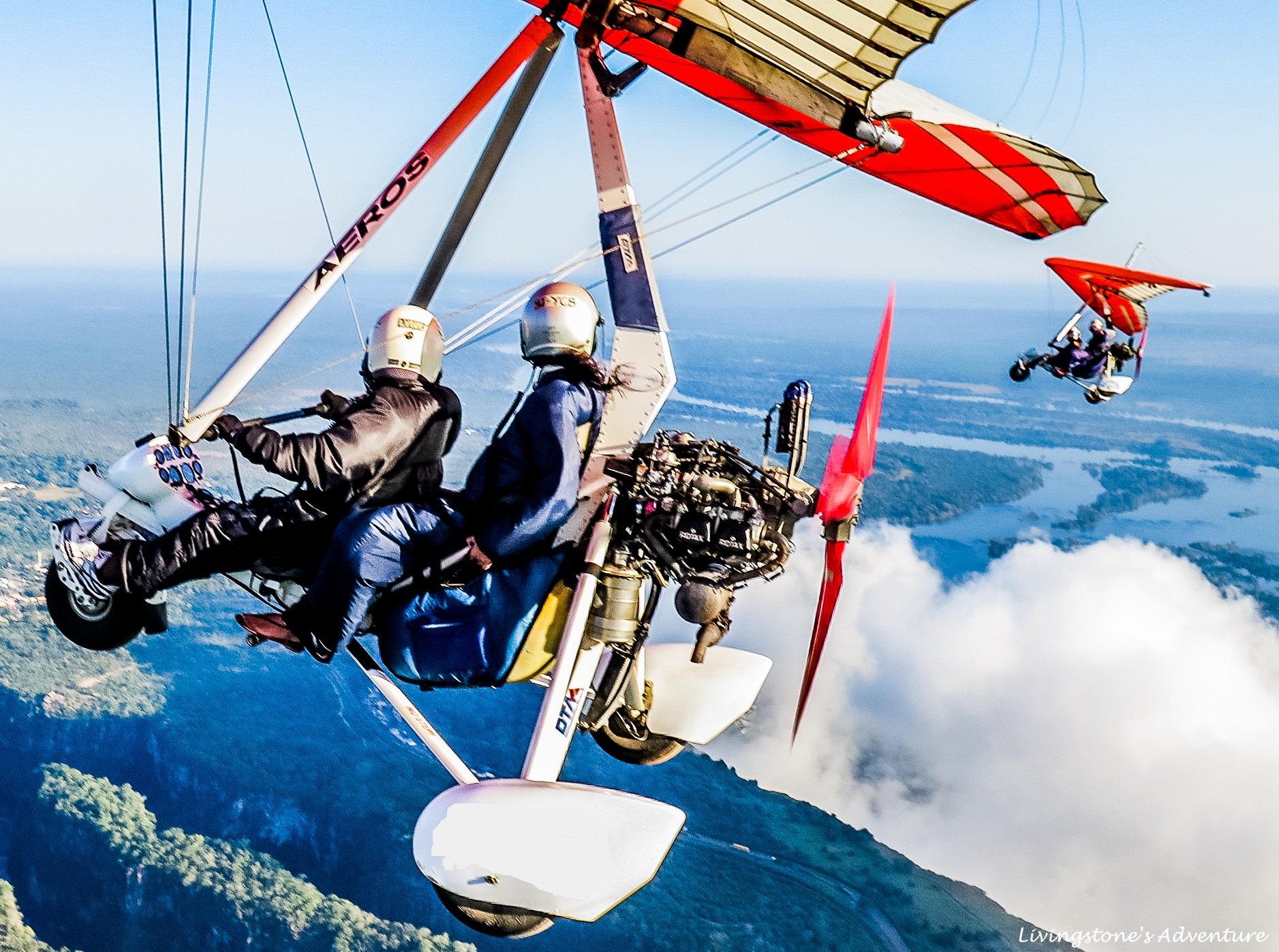
Microlighting: offers unique, inhibited and literally breathtaking views of the Victoria Falls and the spectacular gorge that the Zambezi has carved into the surrounding landscape over the many thousands of years.
River boarding: slide on a boogie board down the rapids of the Zambezi River, safety gear is worn but it is a lot of fun and rewarding too.
Tandem Kayaking and Canoeing: Another great adventure negotiating rapids with a seasoned white water rafting guide! For a more sedate experience, guided canoeing is just the ticket. Visitors can glide along the Zambezi and take in the beautiful scenery, skirt islands and watch the wildlife. There are also overnight trips with camping on the islands.
Walking with the Lions: ever imagined walking with a Lion? Bring your imagination alive in Zambia where your will walk with lions and cheeters the same way you do with fellow human beings.
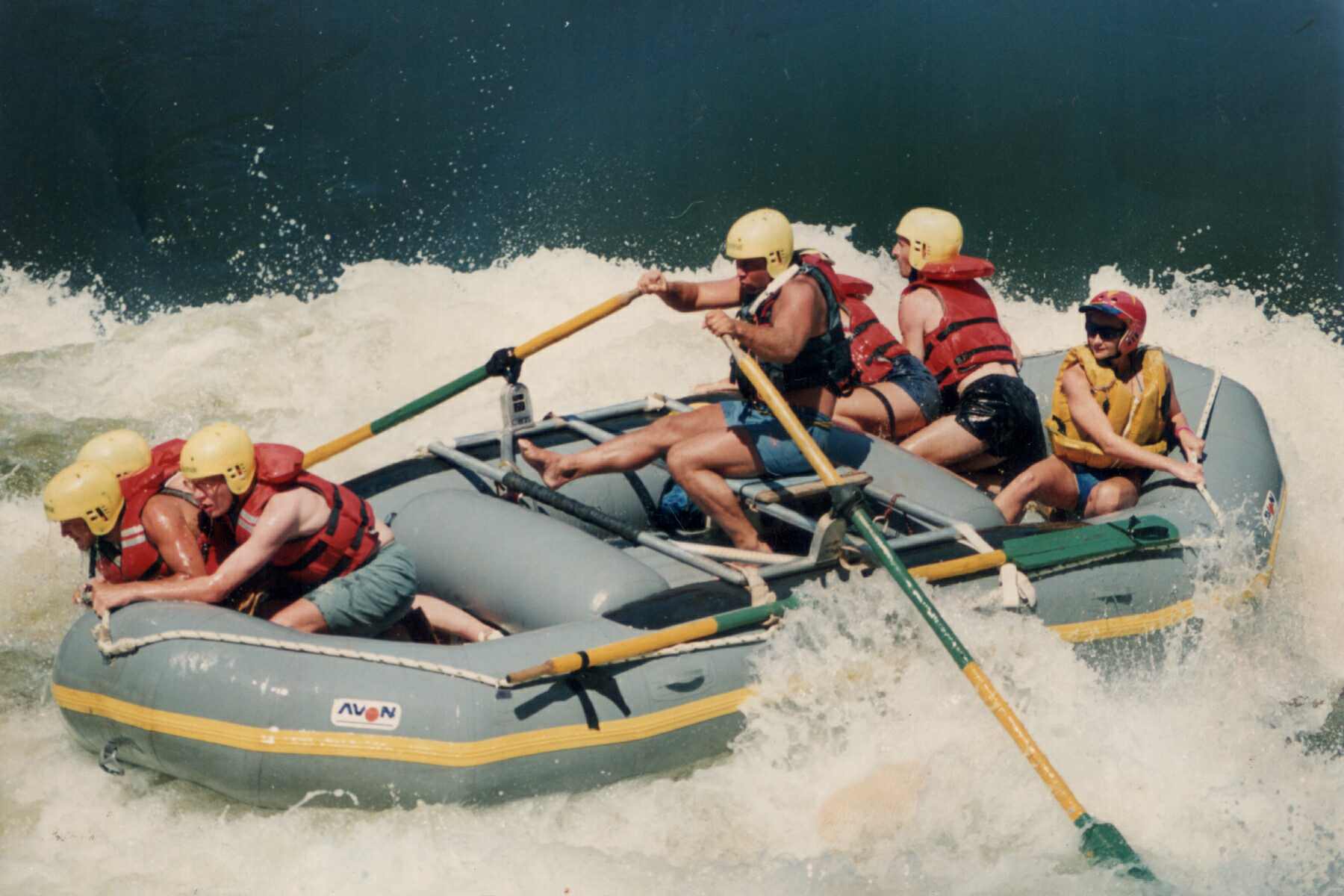
White water rafting: One of the most intense experiences that can be imagined! It’s a wild rollercoaster journey rafting from the base of Victoria Falls through the Batoka Gorge. There are 13 thundering rapids when the river is high, usually March to July. Once the water level drops then the full 23 rapids can be done. This adventure can be taken in a half day, full day or 2-day (with camping in the gorge) excursion.
Previous
Next
Culture
A Living Culture, a celebration of tradition!
Home to over 13 million people with seven major ethnic groups, the country has over 73 language dialects. Despite the impact of western ideals, Zambia has maintained its rich and diverse cultural heritage.
The country’s ethnic diversity results in over 30 traditional ceremonies occurring annually countrywide. Each ceremony celebrates the significance of natural cycles, past military glories or age-old traditions. Traditional values are perpetuated and cultural identity confirmed through ritual ethnic celebrations.
To experience one of these ceremonies is to be a privileged witness to the tradition, rhythm and beat of Africa. They provide a valuable insight into our culture which has been passed from one generation to another for many years.
Whilst modernity may seem to be perceived as eroding culture, the Zambian people embrace growth, whilst preserving their rich cultural heritage.
Traditional Ceremonies Calendar
CEREMONY | TRIBE | PLACE | PERIOD |
LWIINDI | Toka Leya | Livingstone | January |
N’CWALA | Ngoni | Chipata | February |
KUOMBOKA | Lozi | Mongu | April |
KUOMBOKA NALOLO | Lozi | Senanga | April |
ISAKA YABA KAONDE | Kaonde | Solwezi | April |
KUFUKWILA | Kaonde | Solwezi | May |
KUOMBOKA LIBONDA | Lozi | Kalabo | May |
MUTOMOLO | Mambwe / Lungu | Mbala | June |
NSOMO | Kaonde | Kasempa | June |
CHIVWEKA | Luchazi | Kabompo | June |
MUTOMBOKO | Lunda | Kawambwa | July |
KUPUPA | Kaonde | Solwezi | July |
KUNYANTA NTANDA | Kaonde | Solwezi | July |
LWINDI GONDE | Tonga | Monze | July |
KAZANGA | Nkoya | Kaoma | July |
CHIVWEKA | Luchazi | Kabompo | July |
NKOMBA LYANGA | Soli | Chongwe | July |
IKUMBI LYA LONGO | Sala | Mumbwa | July |
KULAMBA | Chewa | Katete | August |
MAKUMBA | Ushi | Mansa | August |
UKUSEFYA PA NG’WENA | Bemba | Mungwi | August |
MUKULU PEMBE | Bemba | Luwingu | August |
LIKUMBI LYA MIZE | Luvale | Zambezi | August |
CHISEMWA CHA LUNDA | Lunda | Mwinilunga | August |
LUNDA LUBANZA | Lunda | Zambezi | August |
MAKUNDU | Kaonde | Mufumbwe | August |
LUBINDA NTONGO | Kaonde | Solwezi | August |
LUKUNI LUZWA BUUKA | Toka Leya | Kalomo | August |
KULAMBA | Chewa | Katete | August |
LYENGA | Mbunda | Kalolo | August |
ICHIBWELA MUSHI | Bisa/Swaka/Lala | Mkushi | September |
MUSAKA/JIKUBI | Kaonde | Mumbwa | September |
BWILE | Bwile | Chienge | September |
KAILALA | Goba | Kafue | September |
CHINAMANONGO | Bisa | Mpika | September |
WALAMO | Lungu | Mpulungu | September |
VIKAMKANIMBA | Tumbuka | Isoka | September |
CHAMBO CHALUTANGA | Mfungwe | Isoka | September |
MULASA | Namwanga | Nakonde | September |
CHISAKA CHALUBOMBO | Bisa | Chilubi Island | September |
BISA MALAILA | Bisa | Mpika | September |
NTONGO | Kaonde | Mufumbwe | September |
KUVULUKA KISHAKULU | Lamba | Solwezi | September |
MAKUNDU | Kaonde | Mufumbwe | September |
BUNDA LIYOYELO | Mbunda | Kabompo | September |
KULAMBA KUBWALO | Lenje | Chipombo | October |
LIKUMBI LYAMALUMBE | Kaonde/ Ila | Mumbwa | October |
TUMWIMBA | Nsenga | Petauke | October |
MALAILA | Kunda | Mambwe | October |
KWENJE | Tumbuka | Chama | October |
KWANGA | Ng’umbo | Samfya | October |
MABILA | Shila | Chienge | October |
CHISHINGA MALAILA | Chishinga | Kawambwa | October |
CHIBUKA | Ushi | Mansa | October |
LUKWAKWA | Mbunda | Kabompo | October |
MBUNDA LIYOYELO | Mbunda | Kabompo | October |
CHUNGU | Tonga | Kalomo | October |
MAANZI LWIINDI | Tonga | Kalomo | |
ZENGANI | Tumbuka | Lundazi | October |
CHAKWELA MAKUMBI | Soli | Chongwe | November |
CHIKWELA KUMUSHI | Namwanga | Luangwa | November |
NGONDO | Namwanga | Isoka | November |
CHABALANKATA | Lamba | Masaiti | November |
CHITENTAMO / SENGELE | Lamba | Mpongwe | November |
MBAMBALA | Nsenga-Luzi | Chinyunyu | November |
CHIBWELA KUMUSHI | Soli | Rufunsa | November |
Major Cities
Lusaka, the Capital and business city!
Lusaka officially became the capital of Zambia in May 1935, due to its fairly central location, replacing Livingstone. Lusaka was elevated to the status of a City by Royal Charter, 25 years later.
The choice of Lusaka to become the capital did not follow what is usually regarded as the traditional development pattern. The Town’s main attribute was its central location and healthy climate.
Its metropolis provides a home to about 3 million (2022 est.) inhabitants of many different nationalities.
Conference tourism infrastructure is available and the city has hosted major international events since the country’s independence more than 40 years ago.
Tourist attractions in the capital include the national museum, botanical garden, reptile park, national park, a cultural village and fun-filled night life.
Lusaka was the site of a village named after its headman Lusakasa, which, according to history, was located at Manda Hill, near where the Zambia’s National Assembly building now stands. After the federation of Northern and Southern Rhodesia in 1953, it was a centre of the independence movement amongst some of the educated elite that led to the creation of the Republic of Zambia. In 1964, Lusaka became the capital of the newly independent Zambia.
In recent years, Lusaka has become a popular urban settlement for Zambians and tourists alike.
Livingstone
Livingstone, the tourist capital and gateway to the Victoria Falls, is named after the Scottish missionary and explorer Dr David Livingstone who was the first European to sight the Falls in 1855.
The city offers cultural and historical experiences and adventure activities such as white-water rafting canoeing, river cruises, horseback trails, helicopter flights above the Victoria Falls, micro-lighting, river surfing, jet boating rapids, abseiling at the gorges, gorge swings, bird-watching trails, fishing, kayaking and spectacular 111 metres bunji jump.
New to the adventure capital is ‘walking with the Lions’ and the luxurious ‘railway dining’.
NDOLA
Ndola is Zambia’s second largest city and the heart of the Copperbelt. Considering its strong industrial base, it is a pleasant city with broad, leafy streets and little to indicate its industry apart from a certain air of prosperity.
Kitwe
Kitwe is the central hub of the Copperbelt connecting various towns namely Ndola, Luanshya, Mufulira and Chingola which are all copper mining towns. Special visits can be arranged to see and tour one of the biggest open pit mines in the world – the Nchanga Open Pit Mine.
National Heritage sites
There are over 100 natural heritage sites of archaeological, historical, anthropological and architectural significance. Scholars in archaeology, history and anthropology should not miss a visit to these sites in their lifetime.
Special Interest Holidays
Bird watchers, anglers, heritage trailers, community and cultural tourism enthusiasts will find Zambia a particularly rewarding place to visit.
Birding: the ornithologists’ paradise with over 728 bird species recorded. The Bangweulu Swamps is home to the Shoebill, a rare bird. Busanga Plain in Kafue national park is a prime birding area for both the grassland and woodland specials. Lochnivar national park has about 428 bird species in its comparatively small 410 square kilometres and its claim to hold the world record for the diversity of types is yet to be challenged. All the other national parks are rich in birdlife.
Angling: Fishing is a delight and it can be enjoyed throughout the year but the best period is between April and November. Fishing competitions are held in Kafue National Park and Lake Tanganyika.
Golfing: Enjoy golfing at the Livingstone Golf Club – one of Africa’s oldest golf clubs, a scenic and historic course close to the Victoria Falls. Other golfing facilities can be found in Lusaka, Ndola and Chingola.
Community/Cultural tourism: mingle with the locals in their communities and stay with them to learn their cultures.
Weddings and Honeymoons
There is no better place to enjoy beautiful settings that offer privacy and exclusive service for the ultimate relaxing time after a couple’s big day.
Victoria Falls is one of the world’s most spectacular locations, national parks too serve as special places to celebrate your wedding, renew your vows, commemorating an anniversary or spend your honeymoon.
Celebrate your special day in style with every moment of celebration memorable.
Travel Information – Quick Facts
Banking
Banks open between 8:15 am and 3pm from Monday to Friday. Some banks also open on the first and last Saturdays of each month.
Climate
Zambia enjoys a tropical climate. There are three seasons: warm and wet from December to April; cool and dry from May to August; and hot and dry from September to November. The hottest month is October where temperatures can rise up to 45℃ (about 113 °F) in river valleys such as the South Luangwa national park.
Clothing
For walking safaris – light neutral coloured clothing, comfortable walking shoes, a warm jacket for evenings and early mornings and a wide brimmed hat. For water activities, nylon water sandals.
Communication
Fixed and mobile line communications are widely available throughout the country. The mobile service provided use 5G technology. Zambia is divided into 72 districts and communication facilities including internet facilities are available in most of the areas. Data technology includes fibre especially in urban centres.
Cuisine
Travellers to Zambia will be accorded an opportunity to enjoy both local and international cuisine offered by many excellent restaurants.
Electrical Supply
Electricity is supplied at 220/240 running at 50Hz. Both three-pin British type (Type G) and Euro plug (Type C) can be used.
Departure Tax
The departure tax is US$11 and $30 for domestic and international flights respectively, the rate is subject to change. Most airline tickets include the international departure tax for Zambia coded JI.
Domestic Air Travel
Baggage allowance on domestic flights is 15 kilos on checked-in bags.
Driving
Zambia drives on the left
Getting there
By Air: Non-stop flights from London, Johannesburg, Nairobi and Addis Abba. Zambia has four International Airports in Lusaka the capital, Livingstone, Ndola and Mfuwe.
By road: Zambia is accessible through Botswana, Namibia, Zimbabwe and Tanzania on good tarred roads. Scheduled coaches operate daily, 3 times weekly flights to and from Zambia. The buses run from the central bus station named ‘Intercity Bus Terminal’ which is centrally located in Lusaka, the capital city.
By Train: Zambia connected to Tanzania by railway and the TAZARA train operates an express service three timely weekly between the two countries and local service running between Kapiri-Mposhi and Nakonde Zambia’s border town with Tanzania.
Hotels
Zambia offers different accommodation types ranging from the international five-star hotels, guesthouses and lodges. In national parks, most accommodation is thatched-roof and tent style (semi-permanent luxurious tents and ordinary tents). Global hotel brands include the Radisson, Hilton, Marriott, Intercontinental, Taj and Sarovar Hotels.
Health, Vaccinations & Insurance
There are good health facilities in the country. However, as health precautions for travelling in Africa may be unfamiliar to most travellers, we recommend consultation of local doctors prior to travelling to discuss the need for any possible immunisation and malaria prophylaxis. Comprehensive medical and repatriation insurance is recommended. COVID-19 vaccination certificates may be required or in their absence proof of testing prior to travel.
Money
Zambia’s currency is the Kwacha. Major international currencies such as the US Dollar and British Pound are easily convertible at Bureaux de Change located in various places in the major cities.
International credit cards especially visa-electron enabled cards are acceptable at most hotels and the cards can be used to draw money at various cash point machines (Automated Teller Machines).
Photography
Outstanding photo opportunities abound. A good camera, telephoto lenses and plenty of film will be well rewarded. Ensure your equipment is in a padded, dust and heatproof case.
Time Zone
Two hours ahead of GMT. Zambia does not observe Daylight Saving Time.
Telephone
The country code is +260. Zambia enjoys both fixed and mobile telephone line
Visa Requirements
A passport is required for all travellers and it should be valid for not less than 6 months for all nationalities.
Where visas are required, for most nationalities they can obtain the visas on entry. E-visas are available and can be accessed via www.zambiaimmigration.gov.zm
Tourism Link
Zambia Tourism Agency www.zambia.travel
Downloads
Generic Brochure
Northern Circuit Brochure
MICE Brochure
Generic Video
MICE Video
ZambiaCation